Cards We Recommend
Cards We Currently Use
Our everyday lineup, in the order we'd recommend them.

Capital One Venture X
This is one of our two everyday cards and probably the one we'd recommend first to someone ready to step into the premium travel card tier. The annual fee sounds significant, but it's genuinely easier to offset than most cards at this level.
The card earns unlimited 2x miles on every purchase, 5x on flights booked through Capital One Travel, and 10x on hotels and rental cars booked through Capital One Travel. It comes with a $300 annual travel credit and a 10,000-mile anniversary bonus each year — those two alone effectively cover the fee if you travel at all. The lounge access is the feature we use most: Venture X cardholders can access Capital One Lounges and over 1,300 lounges worldwide through Priority Pass. Free food, drinks, comfortable seating — and a place to decompress before a long flight instead of fighting for gate seating.
Other perks worth knowing:
- —Up to $120 credit toward Global Entry or TSA PreCheck
- —Complimentary Hertz President's Circle status
- —Access to Premier Collection hotels with a $100 on-property credit per stay
- —No foreign transaction fees
- —Miles transfer to 15+ airline and hotel partners at 1:1
Worth noting: Starting February 1, 2026, complimentary guest access to Capital One Lounges requires $75,000 in annual spend — guest fees will otherwise be $45 per adult. Still an excellent card, but worth knowing if you regularly travel with others.
affiliate link
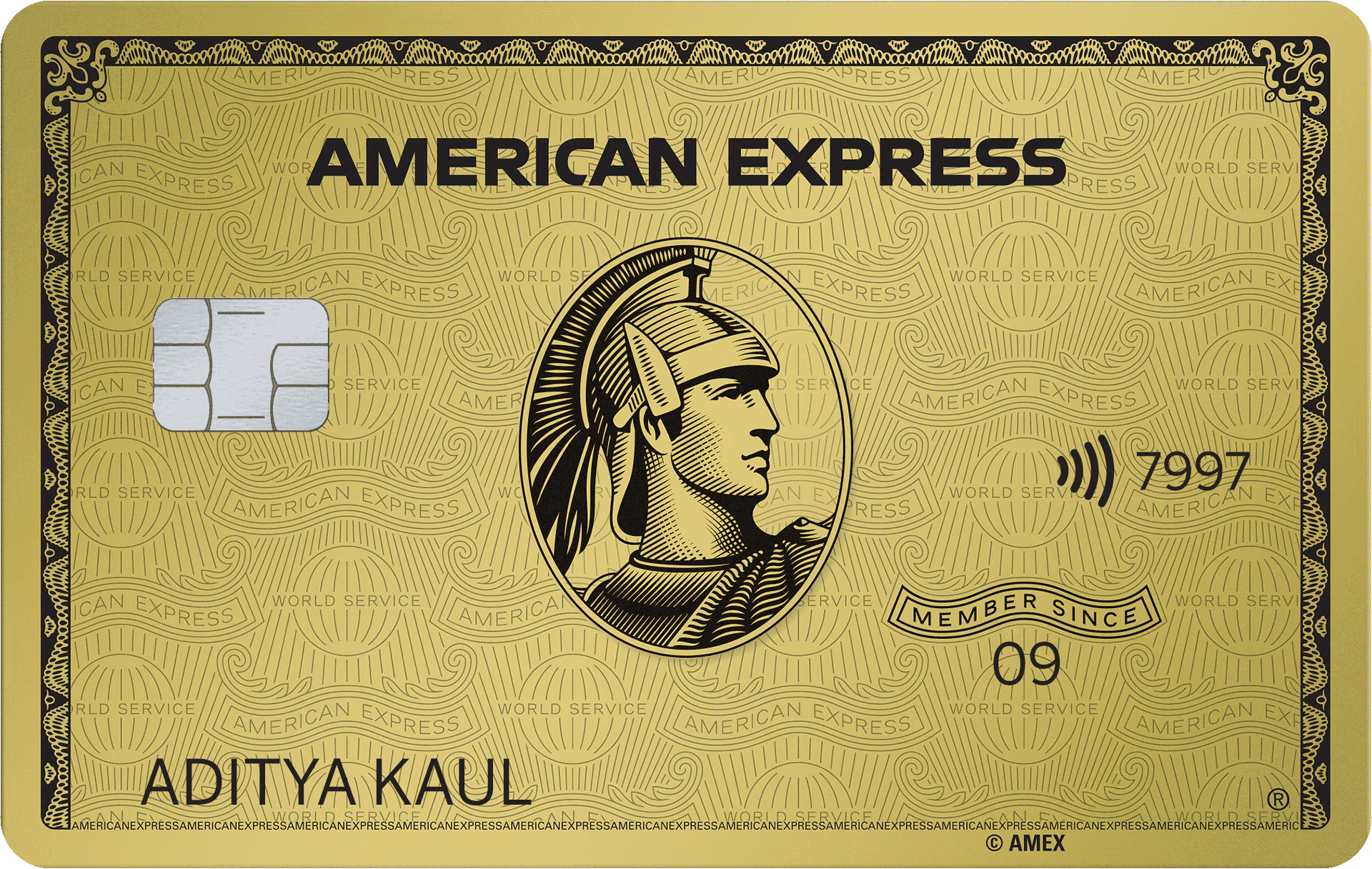
American Express Gold
This is our second everyday card, and the one that does the most work in day-to-day life. The earn rates on dining and groceries are genuinely hard to beat.
The Amex Gold earns 4x Membership Rewards points at restaurants worldwide (including takeout and delivery) on up to $50,000 per year, and 4x at U.S. supermarkets on up to $25,000 per year. Those are two of the biggest spending categories for most people — points stack up fast without changing how you spend. The transfer partners are what make those points powerful: Amex transfers to Delta, British Airways, Air Canada Aeroplan, Virgin Atlantic, and more. At some valuations, Membership Rewards points can be worth more than 2 cents each when transferred well.
Annual credits (up to $424 against a $325 fee):
- —$120 Dining Credit ($10/month) at Grubhub, The Cheesecake Factory, Goldbelly, Wine.com, and Five Guys
- —$120 in Uber Cash ($10/month) for U.S. Uber Eats or Uber rides
- —$100 Resy Credit ($50 semi-annually) at U.S. Resy restaurants
- —$84 Dunkin' Credit ($7/month) for U.S. Dunkin' purchases
Worth noting: The Amex Gold doesn't include lounge access — that's the Platinum's territory. If lounge access matters to you, pair this with the Venture X.
affiliate link
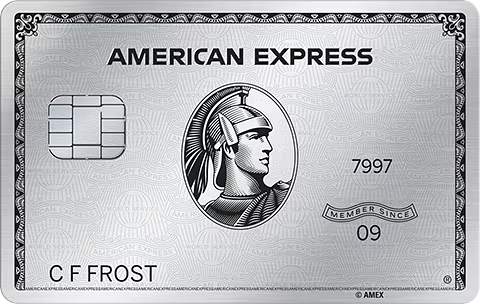
American Express Platinum
This is our most premium card, and we want to be straight with you: it's a significant annual fee. Whether it's worth it depends entirely on how well you use what it comes with. For us, it is. For someone who travels occasionally, it probably isn't.
The lounge access is the best in the business — over 1,550 airport lounges including Centurion Lounges, 10 complimentary Delta Sky Club visits per year on eligible Delta flights, and Priority Pass Select membership. The Platinum earns 5x points on flights booked directly with airlines or through Amex Travel, and includes Marriott and Hilton hotel elite status. The honest take: this card works best alongside a card like the Amex Gold. Earning rates outside of flights are just 1x, so it's a complement to a strong everyday earner, not a replacement.
Key annual credits:
- —Up to $600 in hotel credits ($300 semi-annually) on Fine Hotels + Resorts or The Hotel Collection via Amex Travel
- —Up to $400 in Resy credits ($100 quarterly) for dining
- —Up to $300 in digital entertainment credits ($25/month) for Disney+, Hulu, Peacock, Paramount+, YouTube Premium, NYT, and others
- —$200 Airline Fee Credit for incidentals at one selected airline
- —Up to $209 in CLEAR+ credits annually
- —$200 in Uber Cash annually ($15/month + $20 bonus in December)
- —Up to $120 for Global Entry or TSA PreCheck
Worth noting: If you'd use the lounge access regularly and can work the credits into your normal spending, it's an excellent card. If you're traveling twice a year and won't touch half the benefits, the Venture X is a better fit at less than half the fee.
affiliate link

Chase Sapphire Preferred® Card
If you're just getting started with travel credit cards and want one that earns transferable points, has excellent travel protections, and doesn't require memorizing a complicated list of credits — this is the one. It's been one of the most consistently recommended travel cards for years, and for good reason.
New applicants can earn 75,000 bonus points after spending $5,000 in the first three months — enough for a meaningful international trip on its own. The card earns 5x on travel through Chase Travel, 3x on dining, select streaming, and online groceries, and 2x on all other travel. A $50 annual hotel credit for stays booked through Chase Travel effectively brings the fee down to $45. Chase's transfer partners are excellent: United, Southwest, Air Canada, British Airways, Singapore, Virgin Atlantic, Hyatt, Marriott, and IHG at 1:1. Hyatt in particular offers outsized value for luxury hotel stays.
Travel protections (genuinely strong for a $95 card):
- —Primary auto rental collision damage waiver — decline the rental company's coverage entirely
- —Trip cancellation and interruption insurance up to $10,000 per person
- —Trip delay reimbursement
- —Lost luggage reimbursement up to $3,000 per traveler
- —No foreign transaction fees
Worth noting: This is where we'd tell most people to start. It's approachable, well-rounded, and the foundation of a great points strategy.
affiliate link

Capital One Savor
If you're not ready to pay an annual fee but want a card that earns meaningful rewards on food and everyday life, the Savor is our pick. Think of it as the no-fee alternative to the Amex Gold — it won't match 4x earning rates, but it costs nothing to carry.
The Savor earns unlimited 3% back on dining, grocery stores, entertainment, and popular streaming services, 8% on Capital One Entertainment purchases, and 5% on hotels and rentals booked through Capital One Travel. New cardholders can earn a $200 cash bonus after spending $500 in the first three months. The key upgrade that makes this more powerful: pair the Savor with a Venture X, and the cash back converts to transferable Capital One miles. That means 3x transferable miles on dining and groceries with no annual fee on this card — a very efficient combination.
affiliate link
Cards We've Previously Used and Would Still Recommend
Not in our current wallet, but still worth knowing about.
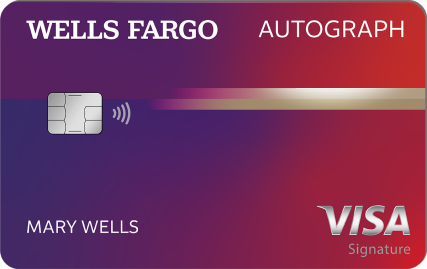
Wells Fargo Autograph
This was one of the first travel-oriented cards we signed up for, and it's still a genuinely strong option for anyone looking for a no-fee entry point that earns transferable points.
The Autograph earns 3x points on dining, travel, gas stations, transit, eligible streaming services, and phone plans — a wide set of bonus categories for a card with no annual fee. New cardholders can earn 20,000 bonus points after spending $1,000 in the first three months. Points transfer at 1:1 to Air France/KLM Flying Blue, British Airways, Avianca, Virgin Atlantic, Aer Lingus, JetBlue, and Iberia — a meaningful differentiator from most no-fee cards. The limitation is no grocery earnings, and the transfer list isn't as broad as Chase or Amex. But as a starting card that earns real transferable points, it's solid — and it was a good first step in our own journey.
- —Up to $600 in cell phone protection against damage or theft when you pay your monthly bill with the card
- —Auto rental collision damage waiver
- —No foreign transaction fees
affiliate link
How to Think About Which Card Is Right for You
You don't need all of these. Most people are better served by two or three cards that complement each other than by trying to collect everything. Here's a simple starting framework based on where you are:
Just starting out
Chase Sapphire Preferred or Wells Fargo Autograph. Get a transferable points card you'll actually use, earn the sign-up bonus, and learn how transfers work before adding anything else.
Ready for a second card
Add one that fills a gap in your first card's coverage. If you have the Sapphire Preferred, the Capital One Savor covers dining and groceries with no additional annual fee. If you have the Venture X, the Amex Gold adds stronger dining and grocery earn rates.
Ready for premium
Once you're comfortable with points and traveling several times a year, the Amex Platinum's lounge access and credits can make the fee worth it — especially if you're flying through airports with Centurion Lounges.
Not sure where to start?
That's exactly what our Points & Card Strategy Sessions are for. We'll look at your spending, where you want to go, and help you build a sequence that makes sense.
Some of the links on this page are affiliate links — if you click through and get approved for a card, we may receive a referral bonus. Every card listed is one we've personally used or would genuinely recommend to a close friend.
Card benefits, annual fees, and sign-up bonuses change frequently. Always verify current terms on the card issuer's website before applying. Rates and fees accurate as of early 2026.
This site is part of an affiliate sales network and receives compensation for sending traffic to partner sites. This compensation may impact how and where links appear on this site. This site does not include all financial companies or all available financial offers. Opinions expressed here are the authors' alone, not those of any bank, credit card issuer, hotel, airline, or other entity. This content has not been reviewed, approved, or otherwise endorsed by any of the entities included within the post.